Field note
Metal, weight and patina: what a game charm is actually made of
Why the good castings feel heavy, what the finishes mean and which of ours wear darkest.
Pick up a good casting and the first signal is weight. Before the eye reads a single rune, the hand has already decided whether the piece is real. On our pages the buyer quotes follow the same order: heft gets mentioned first, detail second.
What the metal actually is
Our game pieces are cast zinc alloy: metal poured into a mold, cooled, then finished by hand. The alternative you meet at conventions is printed resin, which photographs the same and weighs a third as much. Resin is fine for a shelf; on a cord or a key ring it announces itself as plastic the moment anyone touches it.
Reading the finishes
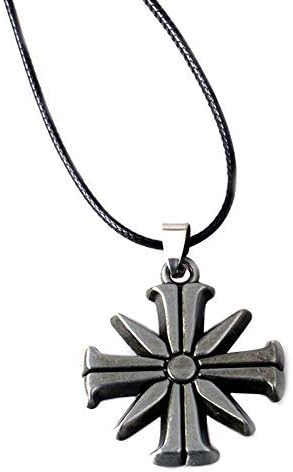
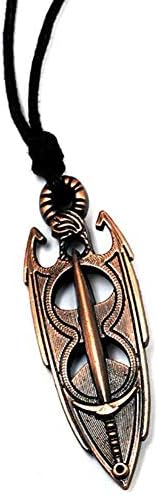
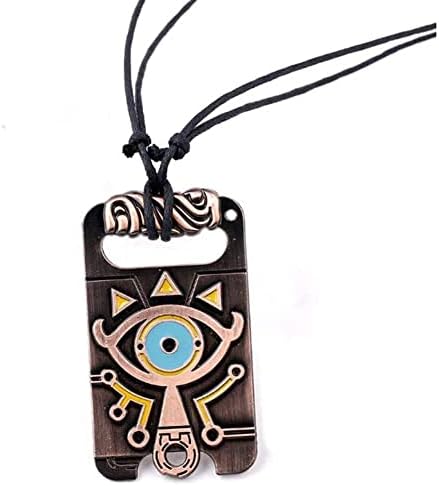
Bronze tone reads oldest and suits relics: the Amulet of Akatosh wears it like it was dug up. Copper tone sits between warm and worn, which is why the Sheikah eye carries it. Gunmetal is the coldest of the four and fits the Lands Between: the dragon tablet and its shelf-mates all wear it. Gold tone is the loudest; on the bench only the stargazer plaque gets away with it.
Patina is a feature
The dark shading in the recesses of a casting is put there on purpose. It is what makes the relief legible at arm’s length instead of dissolving into glare. Over years of wear the high points brighten while the recesses stay dark, and the piece ends up looking more like the relic it depicts, not less.
The one enemy of all this is neglect of the boring kind: pockets full of coins, a bathroom shelf, a splash of perfume. The care note covers the small habits that keep a casting looking the way it landed.
Four castings to judge by hand